


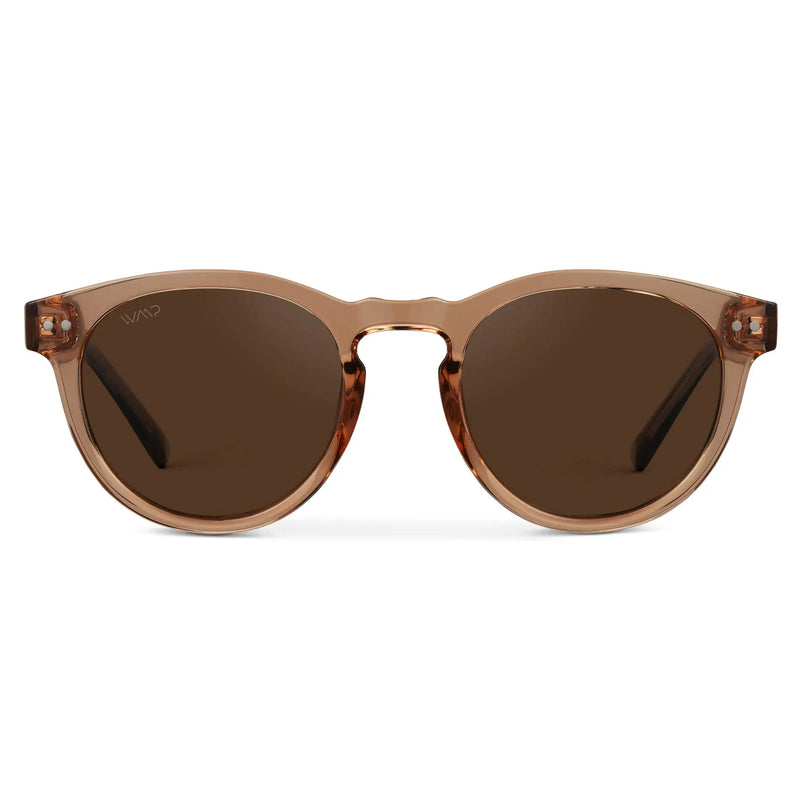


Metal vs Plastic Frame Glasses | Which Eyewear Style is For You?


Two of the most popular materials for eyeglass frames are stainless steel and acetate. Stainless steel is a durable metal alloy known for being lightweight, strong, and resistant to corrosion. Other commonly used metals include Monel, titanium, and aluminum.
Acetate, on the other hand, is a plant based alternative to traditional plastic that offers durability while holding color exceptionally well. This makes it ideal for a wide range of styles, patterns, and finishes. Other plastic frames may be made from materials like polycarbonate or nylon.
When choosing glasses, most people decide between metal and plastic frames. Each has its own benefits, so it is important to consider your lifestyle and preferences. Below, we break down the pros and cons of each to help you make the right choice.

How to Choose: Plastic vs. Metal Glasses
Pick Eyeglasses for Your Lifestyle
Think about your daily routine and how often you wear your glasses. If you are on your feet all day, such as in a healthcare setting, comfort becomes especially important.
Lightweight metal frames, like those made from stainless steel, are a great option for all day wear. They offer durability without adding extra weight, helping reduce pressure on your face.
Another advantage of metal frames is the adjustable nose pads, which allow you to customize the fit for better comfort and stability throughout the day.
However, if style is most important to you, then a pair of plastic acetate glasses offers more versatility. Consider Emerson, a single-bridge modern aviator that combines the studious feel of tortoiseshell with the effortlessly cool look of the classic aviator. Plus, thicker plastic frames can hide stronger lens prescriptions, whereas metal typically can’t.
Choose Eyewear That's Comfortable
Since you wear your glasses for most of the day, comfort should be a top priority. If you want a more customizable fit, metal frames are a great option.
They typically feature adjustable nose pads and flexible arms that can be easily adjusted for a secure, comfortable feel. While plastic frames can be adjusted to some extent, they generally offer less flexibility and customization compared to metal options.
Decide Which Best Fits Your Style
Style matters just as much as comfort and durability when choosing the right pair of glasses. Think about the overall impression you want to make.
In general, plastic frames tend to offer a more modern, bold look, while metal frames lean more classic and understated. Consider your wardrobe and personal style to find the option that complements your everyday look best.
If you’re looking for a cool, retro vibe, then shop for a pair of acetate round frames such as Tate. Anyone searching for a more studious look should consider semi-rimless frames like Jaxon. Made from a mix of both stainless steel and acetate, these frames offer the comfort of a pair of metal glasses with the cool vibes of acetate.
Plastic Eyeglass Frames
Pros for Plastic Frames
Plastic frames offer several strong advantages. They are hypoallergenic and nickel free, making them a great choice for anyone with sensitive skin.
Their thicker construction is ideal for concealing stronger prescriptions, while also providing a more secure, substantial feel on your face compared to thinner metal frames.
Plastic frames also stand out for their variety. They hold color exceptionally well, allowing for a wider range of styles, patterns, and finishes. When made from materials like acetate or polycarbonate, they are also highly durable and built to last.
Cons for Plastic Eyewear
While there are tons of great reasons for choosing plastic eyewear, there are a few cons as well.
Plastic eyewear is not as easy to adjust as metal, plus they don’t usually come with adjustable nose pads.
Exposure to sunlight over time can cause the plastic to warp, compromising the quality of the frames. And even though they can be durable, plastic frames are typically easier to break than metal ones.

Metal Eyeglass Frames
Pros for Metal Eyeglasses
Some of the pros of metal eyeglasses are that they’re easy to adjust, so you can fit them perfectly to your face due to the more flexible arms and adjustable nose pads. Additionally, metal frames have a very minimalist look that never goes out of style.
If you’re looking for all-day comfort, you can’t go wrong with metal eyeglass frames. They’re extremely lightweight, making them perfect to wear for long periods.
Cons for Metal Frames
While metal frames are a great option, they do have a few downsides. They are often more expensive than plastic frames, and because they are thinner, the hinges can be more prone to wear or damage over time.
Metal frames may also cause irritation for those with sensitivities to materials like nickel, making them less comfortable for some wearers.

FAQ's:
Do Metal Frames Offer More Flexibility and Adjustability Than Plastic Frames?
Yes, metal frames offer more flexibility and adjustability than plastic frames. Metal wire frames come with adjustable nose pads, so you can change the space between the pads to make the frames sit exactly where you want them on your nose bridge.
The arms are more flexible in metal frames as well. If the glasses feel too loose on your face, you can slightly bend the arms inward to secure a tighter fit. If the glasses feel too tight, you can gently push the arms outward for a looser fit. This can be done with plastic frames as well, but there won’t be the same level of flexibility.
How Do Metal and Plastic Frames Differ in Terms of Maintenance and Care?
It doesn’t matter if the frames are plastic or metal, they should be cared for in the same way. Clean your glasses every morning (if possible). First, wash your hands. Then, use gentle dish soap, warm water, and the pads of your fingers to clean off dirt and grime. Never use your nails, for they could scratch the frames or lenses.
Once the dish soap is completely washed off, dry the glasses with a microfiber towel and you’re good to go. For any pair of glasses, don’t leave them sitting in the sun because it will warp the frames. Also, avoid storing them on your head, for that stretches out the frame. Instead, always store glasses in a designated case when you’re not using them.
Are Plastic Frames Considered More Budget-Friendly Compared to Metal Frames?
Plastic glasses and sunglasses are a bit more budget-friendly, but you can still find metal frames at a reasonable price. A typical pair of acetate glasses like Wesley costs about $49 from WMP Eyewear, while the pairs that incorporate stainless steel like Jaxon cost $49.


