






Sunglass Lens Color Guide: How to Choose the Right One


f you have always worn black sunglasses, it might catch you off guard to see someone wearing pink mirrored lenses. Do they actually help block the sun, or are they just a bold style choice?
The answer is both.
Colored lenses have been around much longer than most people think. In the 18th century, English optician James Ayscough experimented with tinting glasses in blue and green, believing these colors could help improve certain vision conditions.
That early experimentation laid the foundation for modern sunglasses. Today, we know that different lens colors serve different purposes, enhancing visibility and comfort depending on the environment. Even those pink lenses are more functional than they might seem.
To help you choose the right option, this guide breaks down which lens colors work best for your lifestyle.

The Importance of Different Sunglasses Lens Color
Sunglasses make or break an activity based on their lens color. For example, many aviator frame styles made for pilots come in gray, gray-green, and brown sunglass lens colors. These colors boost contrast and make a pilot’s vision more vivid, so they can adjust and make quick decisions, even when it’s hazy outside.
However, these colors don’t work best in every scenario. Snowboarders often use rose-colored lenses in their shades because they improve depth perception when looking into snow. But if you wear rose-colored lenses all the time, your eyes can quickly become fatigued.
So, you need to pick the lens tint that works best with the activity you want to wear your sunglasses for.
Wavelengths and How They Affect Your Eyes
Many of us learned the acronym Roy G. Biv in school to remember the colors of the rainbow: red, orange, yellow, green, blue, indigo, and violet. These colors make up the visible light spectrum. Red light has the longest wavelength and is the least harmful to our eyes, while ultraviolet, or UV light, has the shortest wavelength and is the most damaging.
There are two main types of UV light that affect eye health: UVA and UVB. Both can damage your eyes over time, accelerating aging and increasing the risk of issues like vision loss and even certain cancers. The best way to protect yourself is to wear sunglasses that offer 100 percent UVA and UVB protection.
It is important to note that lens color does not determine UV protection. No matter the tint, your sunglasses should clearly state that they provide full UVA and UVB coverage. If that information is missing, it is best to assume they do not offer adequate protection.
Another type of light to consider is blue light. It sits just next to ultraviolet on the spectrum and is commonly associated with screens like phones and computers. Blue light can also contribute to eye strain and long term damage.
Certain lens colors, including clear, yellow, red, and amber, can help filter blue light. However, it is still important to confirm that the lenses are specifically designed for blue light protection.
Lens Colors and Their Benefits
Each sunglass lens color offers its own unique benefits, whether you are spending time outdoors or going about your day inside. Explore the most popular lens colors below to find the option that best fits your needs and lifestyle.
Grey Lenses
Shades with grey lenses are the most popular among pilots because they help block sunlight without affecting the color of objects outside as severely. Whether you’re driving, flying, or hiking outside all day, grey lenses won’t get in the way.

Brown Lenses
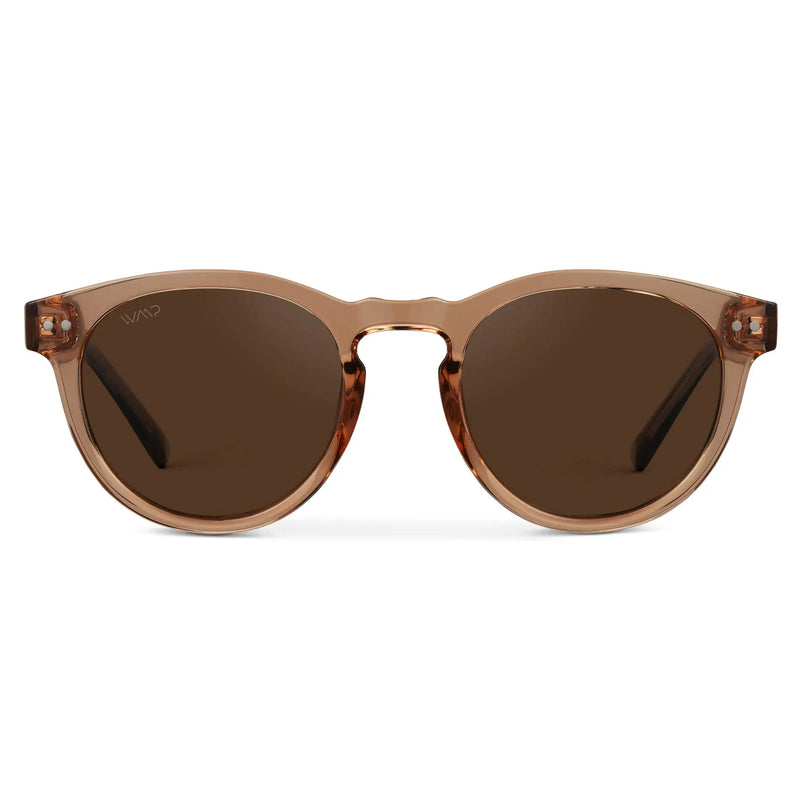
If you live somewhere like the Pacific Northwest, then you need a pair of sunglasses that work for both cloudy and sunny days. Brown lenses increase contrast and help you see depth better but don’t block the sun quite as well as gray. Brown lenses work as a great all-around pair of sunglasses in multiple types of environments, no matter how sunny it is outside.

Green Lenses
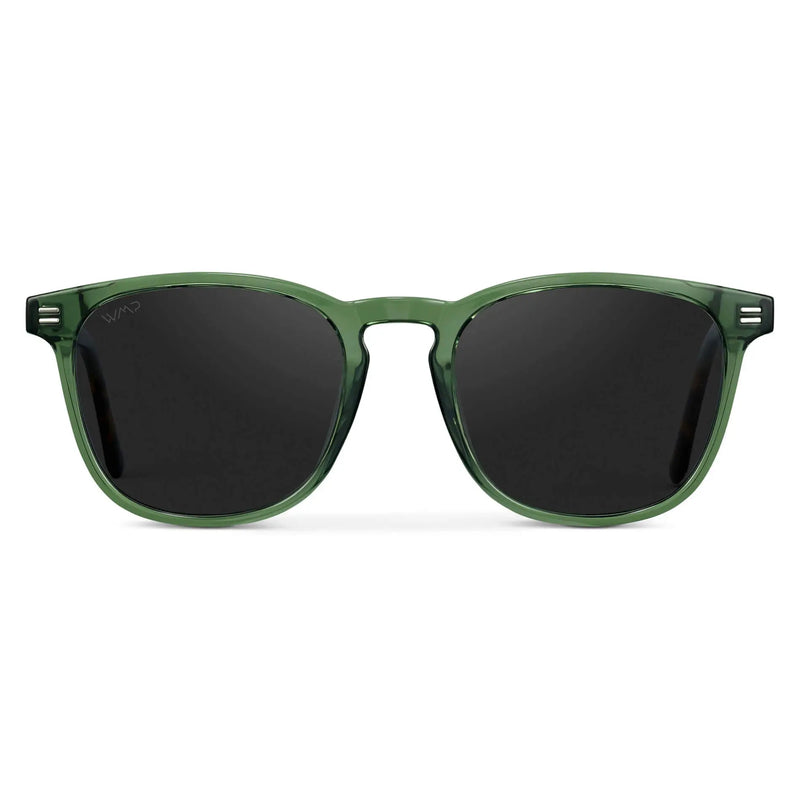
Green lenses help block out blue light and bright sunlight without compromising color contrast. Green lenses are excellent for sports where you have to follow a ball extensively, like tennis, volleyball, or golf.

Yellow Lenses
Any snowboarders know that yellow lenses are the ones to purchase for the slopes. Yellow sunglasses lenses highlight visibility in low-light conditions, like those cloudy days when there may be some light snowfall. Yellow lenses protect your eyes during dusk as well, so that you can see clearly even when the sun has dropped behind the horizon.

Rose Lenses
If you find yourself with constant tension headaches due to eye strain, try out some rose-colored sunglasses. Rose lenses relax your eyes and improve visual contrast, especially when you’re looking at snow.

Blue Lenses
Blue lenses fare well for water sports because they make glare more comfortable to look at and relax your eyes. Many people wear these for outdoor sports and they're great for everyday use in bright light conditions. If you want reading sunglasses, blue lenses keep your eyes relaxed in the sun so you can focus on the page in front of you.

How to Choose the Right Lens for You
To choose the right lens color, think about how and where you plan to use your sunglasses. Consider your typical activities, lighting conditions, and personal style preferences.
For example, if you mainly wear sunglasses while driving, brown lenses are a great option. They perform well in both sunny and cloudy conditions, helping improve contrast and clarity on the road. If you are spending time playing sports like beach volleyball, green lenses can help reduce glare and make it easier to track movement in bright sunlight.
Your location also plays a big role. In sunny climates like Phoenix, Arizona, where clear skies are common, lens colors suited for bright light, such as blue, green, brown, or gray, are ideal. In contrast, areas with frequent cloud cover, like Anchorage, Alaska, benefit from lenses designed for low light conditions, such as rose, yellow, or lighter brown tones.
Finally, do not overlook personal preference. Comfort and style matter, so it is worth trying on a few different options to see which lens color feels and looks best for you.
You should also consider other lens factors, like whether you want the lenses to be polarized, if you want to add a mirrored coating, or if the shades should block 100% UVA/UVB rays.
How to Maintain Your Lenses
To maintain your lenses, clean your sunglasses regularly with mild, non-lotion dish soap in warm water. Never place your sunglasses lens-side down on a surface, always set them down folded on top of the arms. Don't forget to store your sunglasses in a protective case when you're not wearing them so they don’t get scratched while storing them in your pocket or purse.
FAQ's:
What Is the Most Versatile Sunglass Lens Color?
The most versatile sunglass lens color is gray, followed closely by brown. Gray lenses reduce glare in any lighting condition and maintain colors, making them the best choice for almost any activity. Brown lenses also work well because they enhance contrast in the sun but don’t make the colors quite as clear.
What Is the Best Polarized Color Lens?
The best polarized color lens is green because it doesn’t change the colors of objects when you’re looking through the lens. Green lenses offer excellent contrast and lighten shadows so that it’s easier to see. Brown polarized lenses are best for low-light conditions and blue polarized sunglasses work best if you solely want to enhance the colors.
What Color Lenses Are Best for Everyday Use?
Dark-colored lenses are the best for everyday use. These include brown, black, and grey, and they stop glare so that you don’t have to squint when looking into the sun or in bright conditions.


